
Manufacturing large components with a high degree of precision, efficiency, and reliability presents particular challenges for machines and production processes. High workpiece weights, large dimensions, and complex machining operations are combined with increasing demands for quality, flexibility, and sustainability.
This is exactly where the European research project REED comes in. Together with European partners, Maschinenfabrik Wüstwillenroth is working on developing new digital solutions for the manufacturing of large and complex components and testing them under real-world conditions.

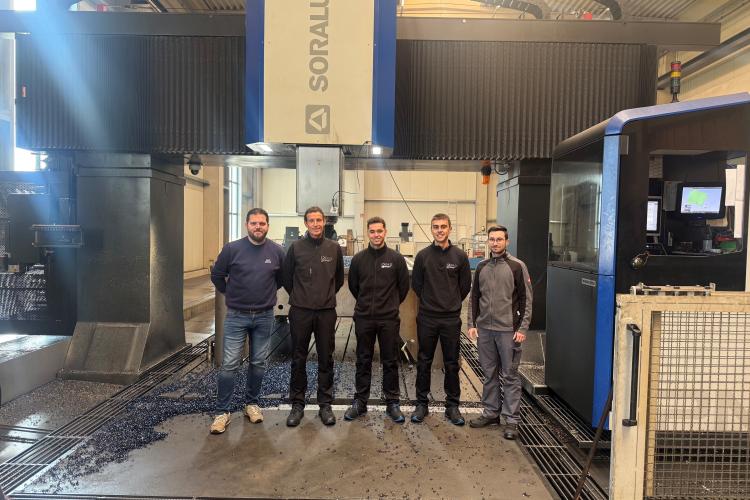
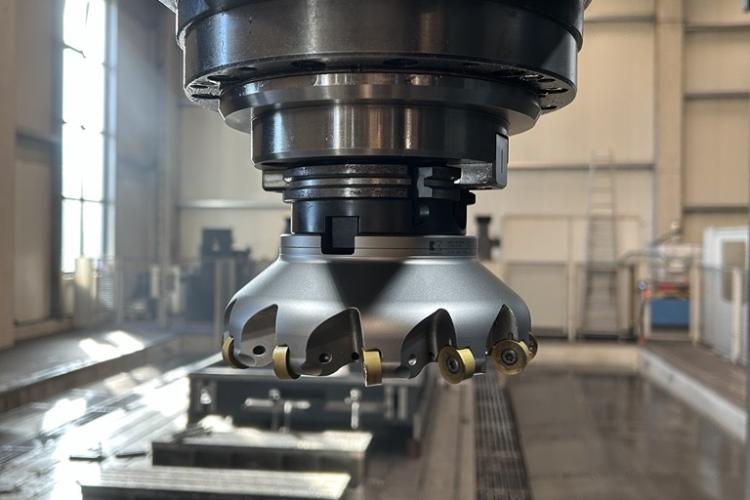 The REED project has reached a major milestone with the completion of the first demonstration activities at WWR, IDEKO carried out a series of industrial trials between 22 and 24 September 2026. These tests mark the beginning of the Demonstration Work Package, representing the final phase of the project in which the ambitious objectives of the REED Manufacturing-as-a-Service (MaaS) platform will be validated in a real industrial environment.
During the three-day campaign, IDEKO’s team deployed and evaluated several of the key technologies developed throughout the project while manufacturing a tappet plate component for the metal forming industry. The demonstration provided the ideal opportunity to assess how advanced process optimisation, intelligent tooling and monitoring technologies can be integrated into a real production environment while maintaining the stringent productivity and quality requirements of industrial manufacturing.
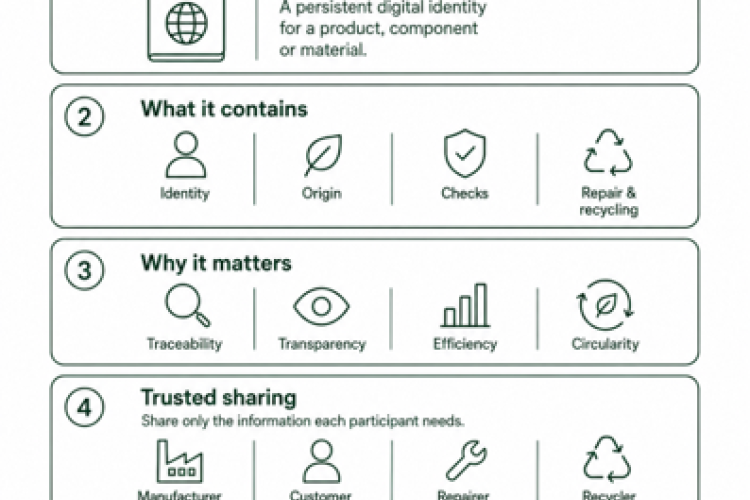 Industrial digitalisation has made it possible to connect machines, factories, suppliers and customers. However, product-related information remains scattered across business systems, production platforms, databases and separate documents. This fragmentation makes it difficult to reliably ascertain what materials a product contains, how it was manufactured, what checks it has passed, what modifications it has undergone, or how it should be repaired, reused or recycled.
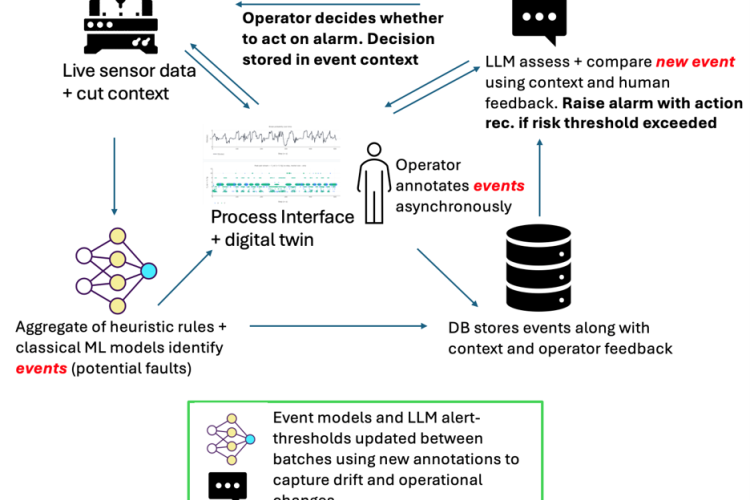 Modern manufacture of bulky parts is highly specialized to the specific piece and presents difficulties for automation in the assessment of process health and downstream quality during production. Yet, early identification of faults, quality issues, or unnecessary operations is crucial to avoid expensive rework and is currently dependent on highly experienced operators familiar with the process manually and subjectively assessing process health. The varying cutting machinery, dimensions and context for such operations complicate the effort of generating models that generalize to capture deviations across parts and machines.
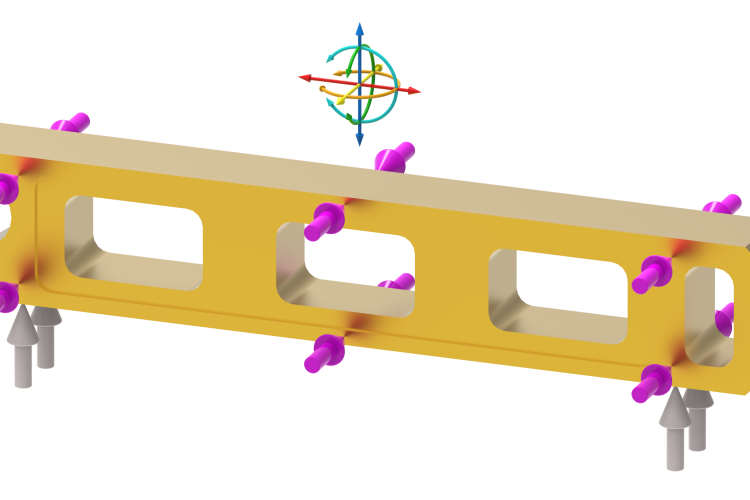 Early digitalisation and the integration of automated, intelligent clamping systems into manufacturing processes enable companies to reduce set-up times, improve process stability and strengthen their competitiveness in the long term.
 The world of heavy-duty machining is undergoing a silent revolution. For years, the challenge of manufacturing bulky, high-precision parts has been defined by a paradox: while the demand for these components -from aerospace structures to energy generation systems- is skyrocketing, the expertise and specialized technology required to produce them remain concentrated in just a few hands. At the recent BIEMH 2026 (International Machine-Tool Exhibition), Soraluce demonstrated that the future of this sector isn't just about bigger machines, but about smarter access to technology.